What Is Endpoint Management?
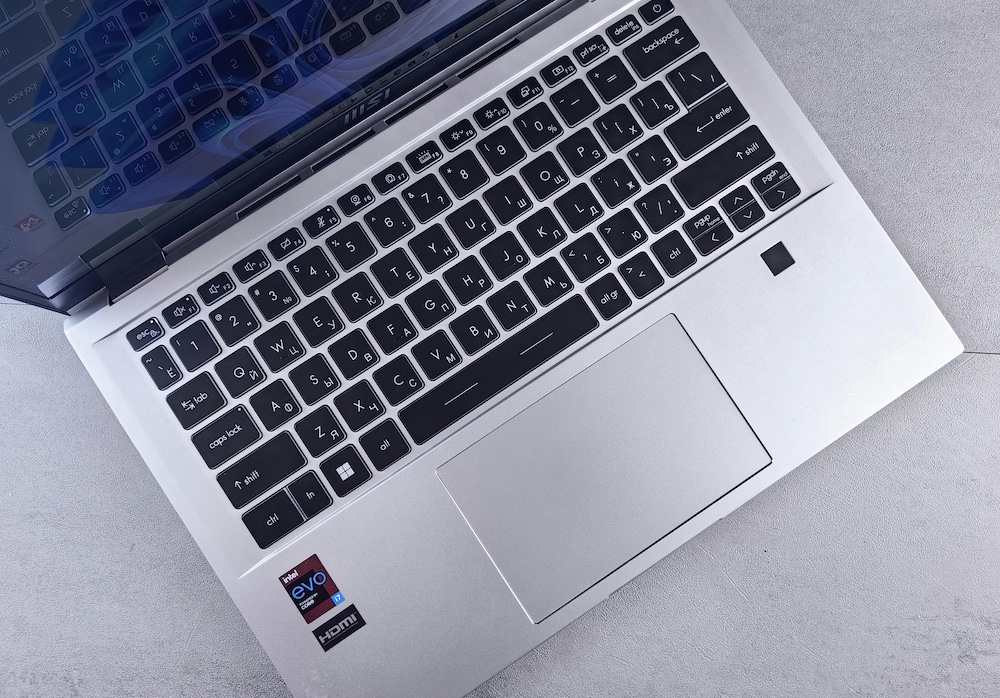
Endpoint management may sound technical, but the concept is straightforward. It is the process of managing and securing all the devices that connect to your business network. This includes desktops, laptops, smartphones, tablets, and even newer technologies like IoT devices.
Today, these devices are not just tools. They are entry points into your business systems and data. As work becomes more mobile and cloud-based, every endpoint becomes part of your security perimeter. Managing them properly is no longer optional.
Why Small Businesses Face Greater Risk
Small and mid-sized businesses often operate with limited IT resources and tighter budgets. At the same time, they rely heavily on technology to stay competitive.
This creates a gap.
More systems and devices are being used, but without the same level of oversight found in larger organizations. That gap is exactly what cybercriminals look for. Smaller businesses are frequently targeted because attackers assume protections are weaker.
Endpoint management helps close that gap by bringing structure, visibility, and control to your IT environment.
Cybersecurity Starts at the Device Level
Most cyber incidents do not begin in a server room. They start with a single device.
An employee clicks a malicious link. A laptop is infected. A phone connects to an unsecured network. From there, attackers attempt to move deeper into the business.
Without proper controls, one compromised device can expose:
- Customer data
- Financial records
- Internal systems
Endpoint management reduces this risk by putting safeguards in place. This typically includes antivirus tools, firewalls, and advanced threat detection systems that monitor activity and respond quickly when something is wrong.
In many cases, a compromised device can be isolated before the issue spreads across the network.
Staying Compliant Without the Complexity
Canadian businesses are increasingly expected to meet privacy and data protection requirements. Whether through PIPEDA or industry-specific standards, the expectations are clear: protect sensitive information.
The challenge is how to do this consistently across multiple devices.
Endpoint management helps enforce these standards by:
- Ensuring devices meet security requirements
- Encrypting sensitive data
- Tracking activity for audit purposes
This creates a more defensible position if your business is ever reviewed or investigated. You can review official PIPEDA guidance here.
Improving Efficiency Without Adding Overhead
Managing devices manually is time-consuming and often inconsistent.
Without centralized tools, updates may be missed, patches delayed, and issues overlooked. Over time, this leads to slower systems, more downtime, and increased risk.
Endpoint management platforms bring everything into one place. From a single dashboard, IT teams can:
- Push updates and security patches
- Monitor device health
- Troubleshoot issues remotely
This reduces the need for on-site support and allows problems to be resolved faster. For small businesses, that efficiency matters. If your current setup feels reactive, it may be worth reviewing your broader IT strategy.
Supporting Remote and Hybrid Work
Work is no longer confined to the office.
Employees access systems from home, while travelling, or from client sites. They may use company-issued devices or their own personal hardware.
This flexibility is good for productivity, but it introduces new risks.
Endpoint management allows businesses to maintain control in these environments by:
- Securing both company and personal devices
- Separating business and personal data
- Enforcing access controls regardless of location
This means your team can work from anywhere without exposing your business to unnecessary risk.
Reducing Costs Over Time
Many small businesses hesitate to invest in IT tools because of cost. That is understandable.
However, unmanaged systems often cost more in the long run.
A single cyber incident can lead to:
- Data recovery expenses
- Legal and compliance costs
- Lost revenue and downtime
Endpoint management helps prevent these situations by identifying issues early and reducing the likelihood of major disruptions.
It also extends the life of your hardware by keeping systems updated and running efficiently.
Helping Employees Stay Productive
Technology should support your team, not slow them down.
When devices are poorly managed, employees experience:
- Slow performance
- Software conflicts
- Frequent interruptions
Endpoint management addresses this through regular maintenance and proactive monitoring. Issues are often resolved before users even notice them.
Some systems also include self-service tools, allowing employees to fix simple problems without waiting for IT support.
Protecting What Makes Your Business Valuable
For many small businesses, intellectual property is a key asset. This could be proprietary processes, internal documents, or client data.
If that information is lost or exposed, the impact can be significant.
Endpoint management helps protect these assets by:
- Controlling access to sensitive data
- Monitoring how information is shared
- Providing audit trails when needed
Features like remote wipe also ensure that if a device is lost or stolen, business data can be removed before it is misused.
A Foundation for Long-Term IT Stability
Endpoint management is not just a security tool. It is a foundation for how your business uses technology.
At Digital Sky Solutions, we help businesses across British Columbia build that foundation. Endpoint management is one part of a broader strategy that includes managed and co-managed IT services, cybersecurity, cloud solutions, and ongoing IT strategy & planning.
If your current setup feels reactive or difficult to manage, it may be time to take a closer look at how your devices are being handled. Contact us today.
Related Posts:
- Cybersecurity Basics Every Small Business in BC Should Know
- What Your Business Actually Needs to Support a Remote Workforce


